
Ophthalmology
Branch of medicine for eye disease diagnosis, treatment, and surgery.

Hodge120 · CC BY-SA 4.0
Ophthalmology is the branch of medicine that deals with the diagnosis, treatment, and surgery of eye diseases and disorders. An ophthalmologist is a physician with an MD or DO degree who undergoes specialty training in medical and surgical eye care, including a four-year residency in the United States, with optional sub-specialty fellowships. The field has a long history of advancement and innovation, with roots in ancient Egypt, Greece, India, and the medieval Islamic world.
- field
- Medicine (eye care)
- known_for
- Diagnosis, treatment, and surgery of eye diseases; systemic disease detection via eye changes; cataract surgery; laser therapy; refractive surgery
- training
- Medical school (MD or DO) plus four-year residency in ophthalmology; optional fellowship
- subspecialties
- Anterior segment surgery, cornea, glaucoma, neuro-ophthalmology, ocular oncology, oculoplastics, pediatric ophthalmology, refractive surgery, medical retina, uveitis, vitreo-retinal surgery
- former_term
- Oculism
Lore & Background
Ophthalmology has ancient origins. Greek physicians such as Rufus of Ephesus (first century AD) recognized a two-chambered eye, and Celsus (second century AD) described cataract surgery by couching. Galen (second century AD) corrected earlier anatomical errors, though some mistakes persisted. In ancient India, the Sushruta Samhita's Uttaratantra describes 76 ocular diseases and cataract surgery via couching. Medieval Islamic scholars like Hunayn ibn Ishaq and Ibn al-Nafis advanced knowledge, with Ibn al-Nafis writing a textbook on experimental ophthalmology. Avicenna's Canon introduced the term 'retina' via translation.
Reader's Guide
Ophthalmology is significant as the medical specialty dedicated to eye health, encompassing both primary and specialty care. Ophthalmologists diagnose and treat common diseases such as cataract, glaucoma, diabetic retinopathy, and macular degeneration, using tools like optical coherence tomography (OCT) and fluorescein angiography. They perform surgeries including cataract extraction, LASIK, and vitreo-retinal procedures. The field's historical development—from ancient Egyptian papyri to medieval Islamic textbooks—reflects a continuous pursuit of understanding the eye. Modern ophthalmology integrates research, with many practitioners contributing to academic studies. Its subspecialties allow focused treatment of specific eye parts or conditions, such as neuro-ophthalmology or ocular oncology. The discipline applies to all animal eyes, though human anatomy and disease prevalence differ.
Did You Know?
- A former term for ophthalmology is oculism.
- The Sushruta Samhita's Uttaratantra describes 76 ocular diseases and cataract surgery by couching.
- Ibn al-Nafis wrote a textbook titled 'The Polished Book on Experimental Ophthalmology'.
The Breadth of Ophthalmic Practice
Ophthalmology, derived from the Greek ophthalmos meaning eye and logia meaning study, represents a medical discipline whose reach extends well beyond the ocular surface. Practitioners in this field manage the full spectrum of eye care—diagnosing conditions, prescribing pharmacological treatments, delivering laser therapy, and performing delicate surgical interventions. What distinguishes ophthalmology from many other specialties is its dual role: ophthalmologists not only treat ocular pathology but also detect systemic diseases by interpreting changes visible within the eye, making it a window into broader physiological health. The discipline spans both primary and specialty care, and most practitioners engage in academic research at some stage of their careers, contributing to a field that has consistently sat at the forefront of medical innovation. The older term oculism was once used as an alternative name for this branch. Importantly, the principles of ophthalmology apply across species, since disease processes in animal eyes share considerable similarity with those in humans, even where anatomical details and disease prevalence differ.
The Road to Specialization
Becoming an ophthalmologist demands a rigorous and extended educational journey. The path begins with earning a medical degree—either an MD or DO—and then committing to a four-year residency dedicated entirely to ophthalmic medicine and surgery, as is the standard in the United States. After residency, physicians may pursue fellowship training to deepen expertise in a narrow area of eye disease. The subspecialty landscape is remarkably diverse: it encompasses anterior segment surgery, corneal and ocular surface disorders, glaucoma management, neuro-ophthalmology, ocular oncology, oculoplastics and orbital surgery, ophthalmic pathology, pediatric ophthalmology and strabismus, refractive surgery, uveitis, and vitreo-retinal surgery. Medical retina and vitreo-retinal surgery are sometimes merged into a combined posterior segment track. Beyond human medicine, dedicated veterinary ophthalmology training programs exist in certain countries, reflecting the cross-species applicability of the discipline.
A Diagnostic Toolkit of Extraordinary Precision
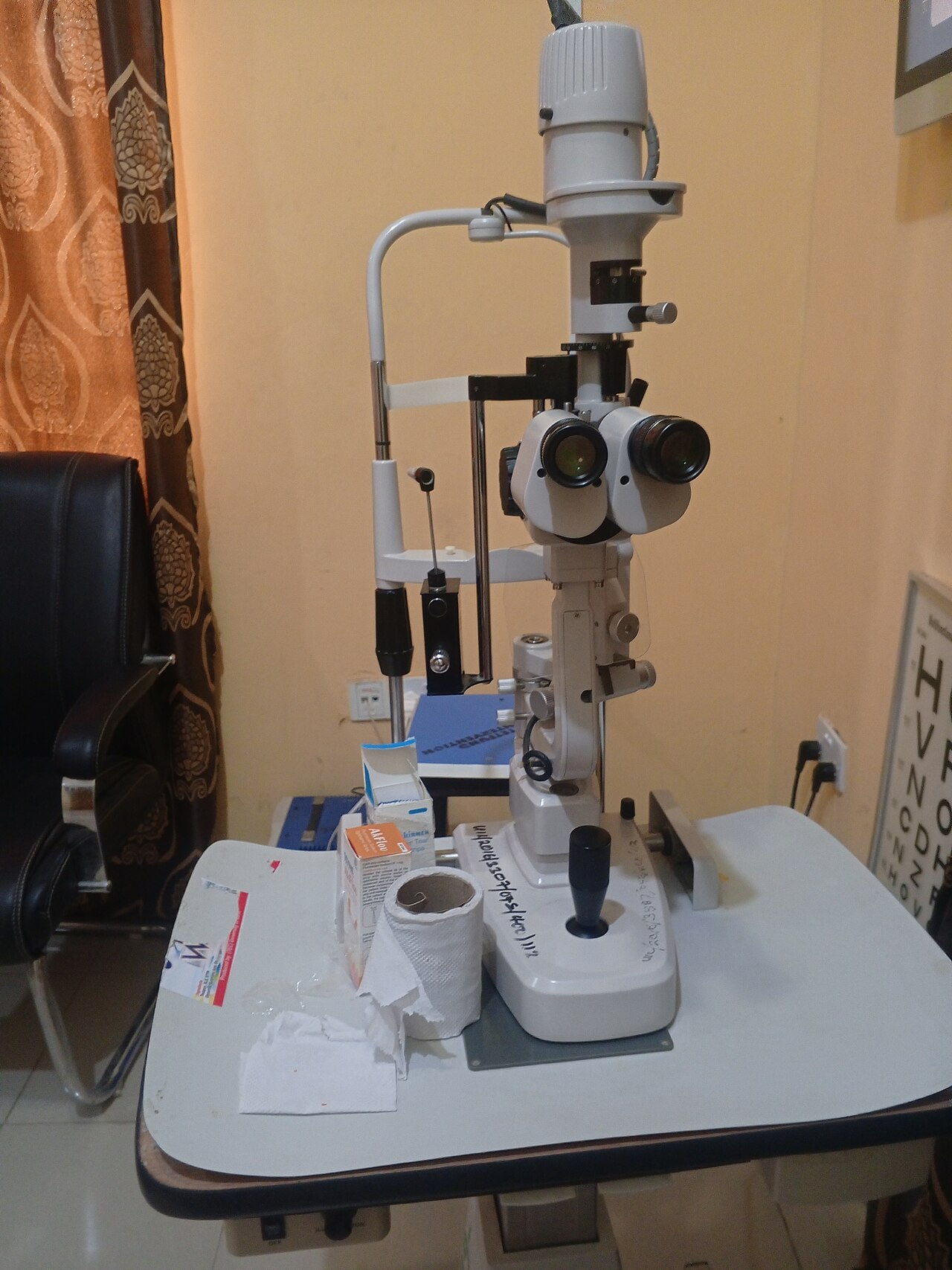
The diagnostic armamentarium in ophthalmology is both extensive and technologically sophisticated. A standard comprehensive eye examination weaves together visual acuity testing, ocular tonometry for intraocular pressure, assessment of extraocular motility and alignment, slit lamp microscopy, dilated fundus examination, gonioscopy, and refraction. Beyond these foundational steps, a suite of advanced imaging and electrophysiological tools sharpens the physician's diagnostic power. Optical coherence tomography produces detailed cross-sectional images of ocular structures, enabling staging of disease and monitoring of conditions like diabetic retinopathy, age-related macular degeneration, and glaucoma. Its angiographic variant, along with fluorescein angiography, maps the vascular networks of the retina and choroid. Electroretinography captures the electrical signatures of photoreceptors, bipolar cells, amacrine cells, and ganglion cells, while electrooculography measures the standing potential between the front and back of the eye. Visual field testing screens for central and peripheral vision loss tied to glaucoma, stroke, pituitary disease, or brain tumors, and corneal topography maps the anterior curvature of the cornea non-invasively. Ophthalmic ultrasonography rounds out the toolkit.
From Ancient Speculation to Empirical Discovery
The intellectual roots of ophthalmology stretch back millennia. The Ebers Papyrus, an Egyptian medical text from approximately 1550 BC, already devoted a section to eye diseases, marking one of the earliest written records of ocular medicine. Before Hippocrates, physicians largely relied on speculation rather than direct observation to form their anatomical understanding of the eye, recognizing the sclera and transparent cornea as an outer coating, an inner layer with a pupil, and a central fluid. The fifth-century BC thinker Alcamaeon proposed that this fluid served as the medium of vision, flowing from the eye to the brain through a single tube. Aristotle challenged such assumptions through hands-on dissection of animal eyes. He identified three distinct layers rather than two, observed that the fluid maintained a constant consistency with the lens congealing only after death, and noted that the surrounding layers were juxtaposed. He and his contemporaries also argued for three tubes leading from the eye rather than one, with one tube from each eye meeting within the skull. Centuries later, Rufus of Ephesus in the first century AD advanced the model by recognizing the conjunctiva as a fourth epithelial layer and describing a two-chambered eye—one between cornea and lens filled with water, the other between lens and retina.
Gallery



Frequently Asked Questions
Who is Ophthalmology?
Ophthalmology is a physician-specialty character in the Medicine universe whose entire focus is the eye. It holds an MD or DO degree and handles diagnosis, medical treatment, and full surgical intervention for eye conditions.
What are Ophthalmology's powers and role?
Its signature abilities include cataract surgery, laser therapy, refractive surgery, and spotting systemic illness through subtle changes visible in the eye. It is the go-to specialist whenever vision is threatened by disease or structural damage.
How does Ophthalmology's training arc play out?
After medical school, the character commits to a four-year residency in ophthalmology in the U.S. system. Optional fellowships then let it branch into deeper sub-specialty storylines after that core arc.
Why is Ophthalmology important to the wider Medicine cast?
It is one of the few specialties that blends medical diagnosis with hands-on surgery, giving it a rare dual-role in the ensemble. Its unique ability to detect systemic disease through ocular findings also makes it a key crossover character.
What are Ophthalmology's sub-teams?
The roster spans cornea, glaucoma, neuro-ophthalmology, ocular oncology, pediatric ophthalmology, vitreo-retinal surgery, uveitis, and several others. Each sub-team owns a specific storyline within the broader eye-care arc.
More in Medical Specialties 1-15
Spotted an error? Know more?
This is a living reference — every entry is fact-audited, and reader corrections feed straight into our audit queue. Suggest an edit · See this site's audit record