
Hematology
Branch of medicine focused on blood diseases and their treatment.

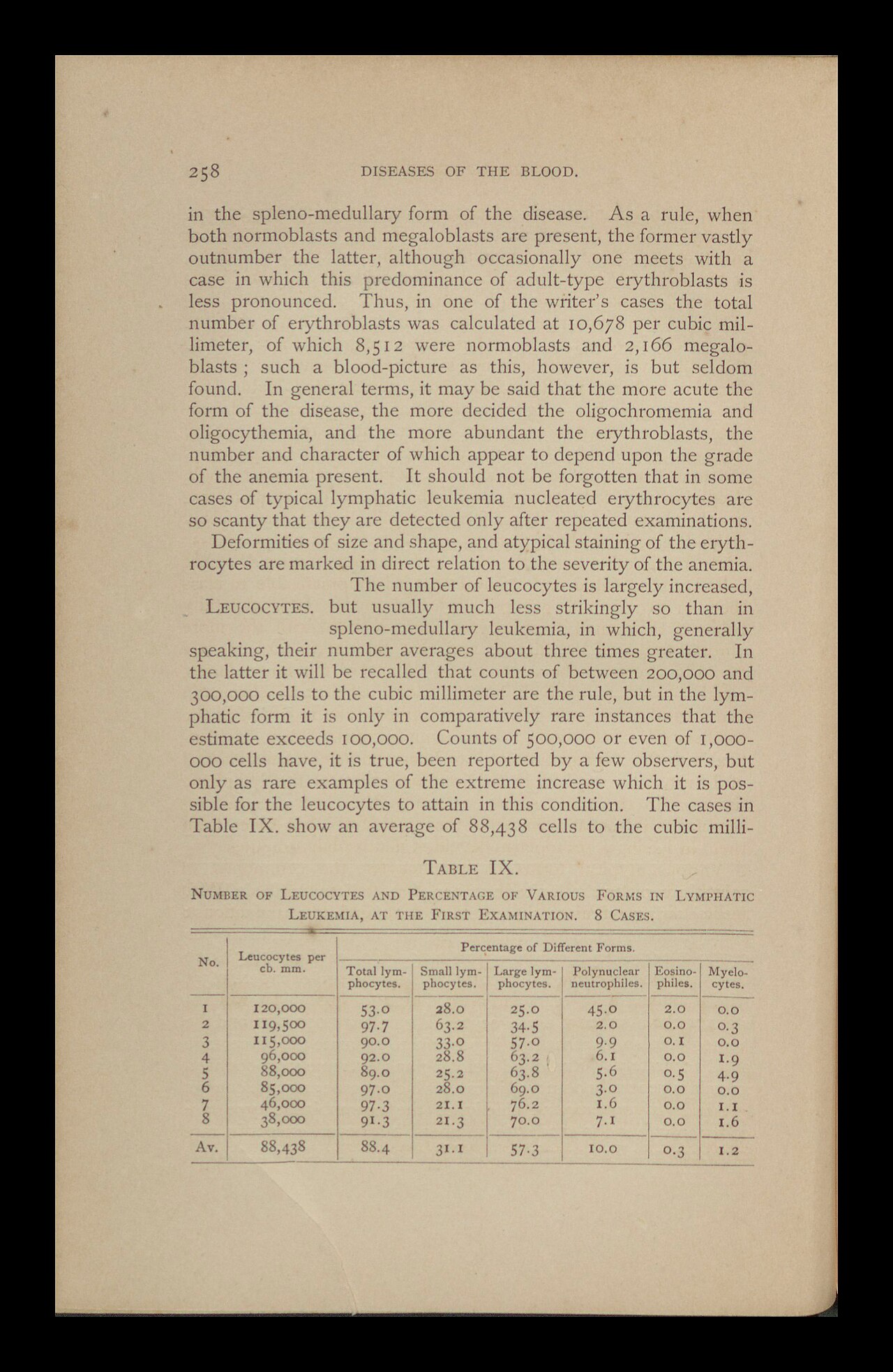
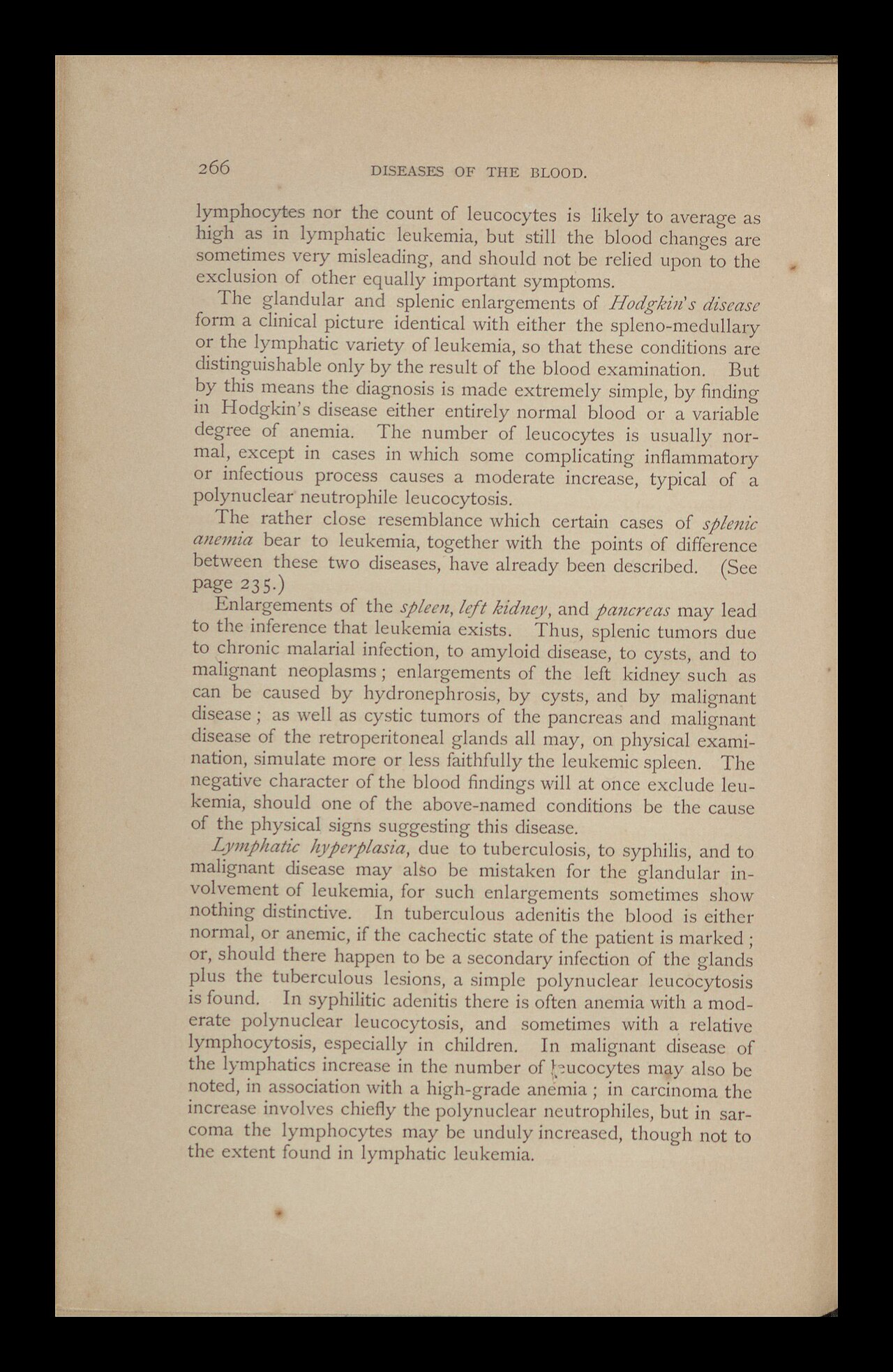
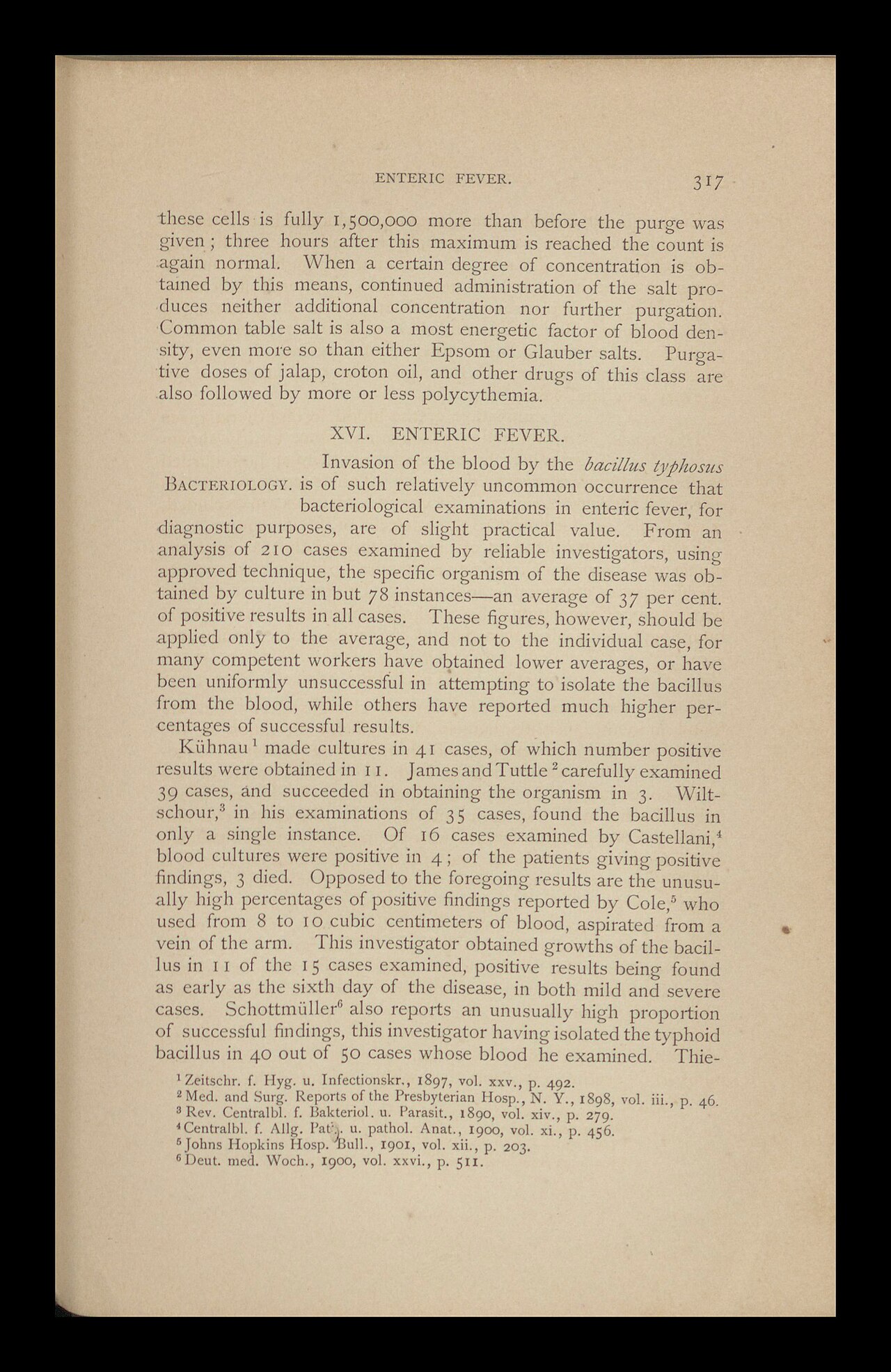
DaCosta Jr., John C., 1871-1919. · Public domain
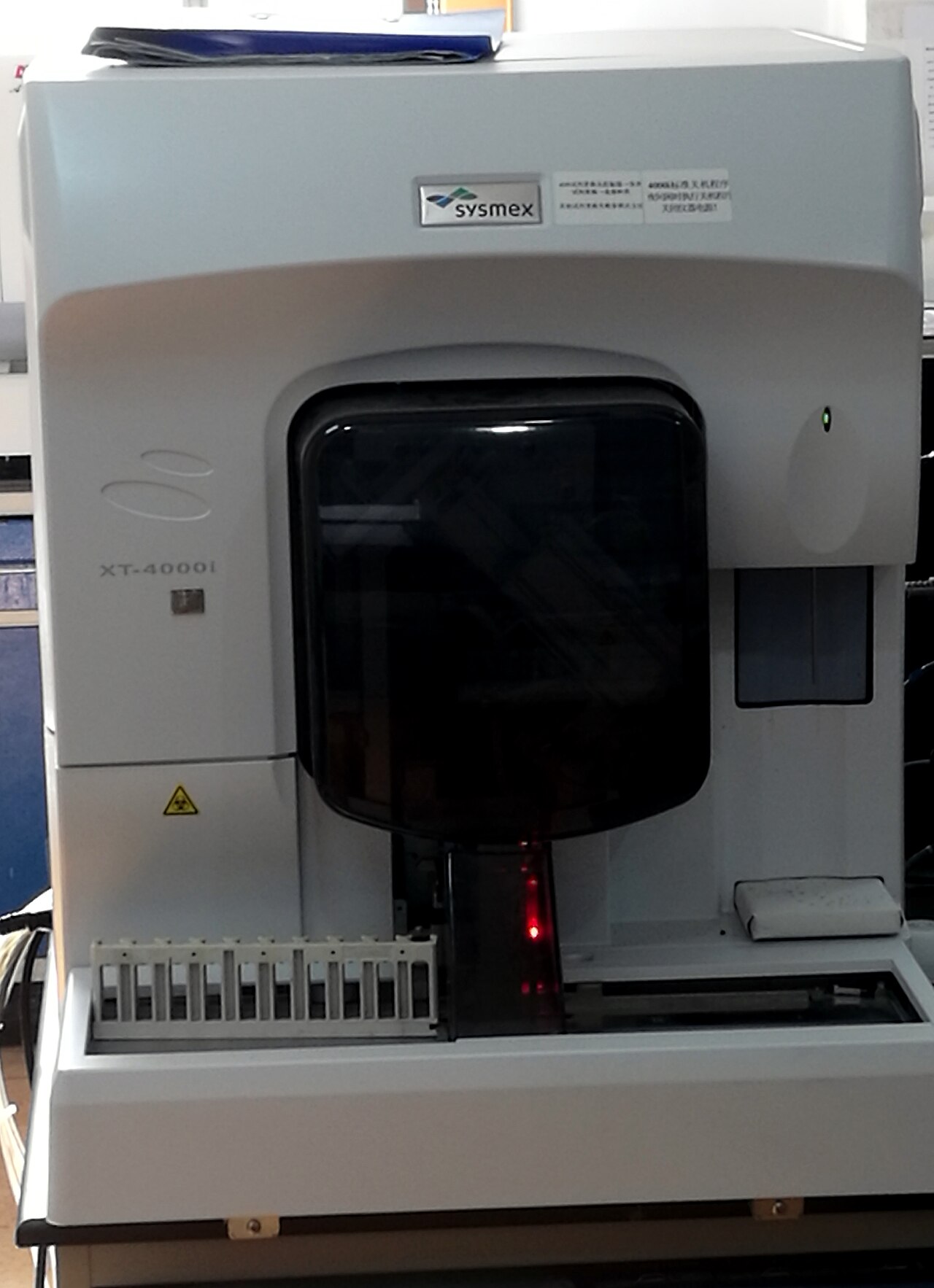
Hematology (spelled haematology in British English) is the branch of medicine concerned with the study of the cause, prognosis, treatment, and prevention of diseases related to blood. It involves treating diseases that affect the production of blood and its components, such as blood cells, hemoglobin, blood proteins, bone marrow, platelets, blood vessels, spleen, and the mechanism of coagulation. Such diseases might include hemophilia, sickle cell anemia, blood clots (thrombus), other bleeding disorders, and blood cancers such as leukemia, multiple myeloma, and lymphoma. The laboratory analysis of blood is frequently performed by a medical technologist or medical laboratory scientist.
- field
- Medicine (branch of internal medicine)
- known_for
- Study and treatment of blood diseases, including hemophilia, sickle cell anemia, blood clots, and blood cancers
- subspecialties
- Hematopathology, transfusion medicine, bone marrow and stem cell transplantation
- practitioners
- Hematologists (or haematologists) and hematopathologists
Lore & Background
Physicians specialized in hematology are known as hematologists or haematologists. Their routine work mainly includes the care and treatment of patients with hematological diseases, although some may also work at the hematology laboratory viewing blood films and bone marrow slides under the microscope, interpreting various hematological test results and blood clotting test results. In some institutions, hematologists also manage the hematology laboratory. Physicians who work in hematology laboratories, and most commonly manage them, are pathologists specialized in the diagnosis of hematological diseases, referred to as hematopathologists or haematopathologists. Hematologists and hematopathologists generally work in conjunction to formulate a diagnosis and deliver the most appropriate therapy if needed.
Reader's Guide
Hematology is a distinct subspecialty of internal medicine, separate from but overlapping with the subspecialty of medical oncology. Hematologists may specialize further or have special interests, for example, in treating bleeding disorders such as hemophilia and idiopathic thrombocytopenic purpura, with the latter of these two conditions being continuously studied by hematologists due to its unknown cause; treating hematological malignancies such as lymphoma and leukemia; treating hemoglobinopathies, including α-thalassemias and β-thalassemias and abnormal hemoglobins; the science of blood transfusion and the work of a blood bank, known as transfusion medicine; and bone marrow and stem cell transplantation, especially with the use of technologies to extract and isolate hematopoietic progenitor cells. Starting hematologists (in the US) complete a four-year medical degree followed by three or four more years in residency or internship programs, then spend two or three more years learning how to experiment, diagnose, and treat blood disorders. Hematologists typically work across specialties to care for patients with complex illnesses, such as sickle cell disease, who require complex, multidisciplinary care, and to provide consultation on cases of disseminated intravascular coagulation, thrombosis and other conditions that can occur in hospitalized patients.
Did You Know?
- Hematology is spelled haematology in British English.
- Hematologists may specialize in treating bleeding disorders such as hemophilia and idiopathic thrombocytopenic purpura, the latter of which is continuously studied due to its unknown cause.
- Hematology is a distinct subspecialty of internal medicine, separate from but overlapping with medical oncology.
- Starting hematologists in the US complete a four-year medical degree, three to four years of residency, and two to three more years of fellowship training.
The Vast Terrain of Blood-Related Disease
Hematology — spelled haematology in British English — is the medical branch devoted to understanding, predicting, treating, and preventing disorders of the blood and everything connected to it. Its scope stretches across blood cells, hemoglobin, blood proteins, bone marrow, platelets, blood vessels, the spleen, and the entire coagulation mechanism. The conditions it addresses range from inherited bleeding disorders like hemophilia to chronic anemias such as sickle cell disease, from dangerous blood clots (thrombi) to the full spectrum of blood cancers, including leukemia, multiple myeloma, and lymphoma. Because these diseases can affect nearly every organ system, hematology sits at the intersection of many other medical fields. Laboratory analysis of a patient's blood is a cornerstone of the specialty, typically carried out by a medical technologist or medical laboratory scientist who prepares and examines samples so that treating physicians can make informed decisions.
A Web of Subspecialties
Within hematology, physicians can focus their expertise on several distinct areas. Some dedicate their practice to bleeding disorders such as hemophilia and idiopathic thrombocytopenic purpura, the latter of which remains an active subject of research because its underlying cause is still unknown. Others concentrate on hematological malignancies, managing the diagnosis and treatment of lymphomas and leukemias. A third group works with hemoglobinopathies, including the thalassemia syndromes (both alpha and beta forms) and abnormal hemoglobins such as hemoglobin S, C, and E. Transfusion medicine represents yet another branch, encompassing the science of blood transfusion and the day-to-day operations of a blood bank. Finally, bone marrow and stem cell transplantation — particularly the use of technologies to extract and isolate hematopoietic progenitor cells — forms a highly specialized frontier. Hematology itself is recognized as a distinct subspecialty of internal medicine, separate from but overlapping with medical oncology.
The Collaborative Diagnostic Team
No single physician handles every aspect of a hematological case. Hematologists — or haematologists in British usage — are the physicians who primarily care for and treat patients with blood disorders. In many institutions they also spend time at the hematology laboratory, examining blood films and bone marrow slides under a microscope and interpreting hematological and clotting test results. Some even manage the laboratory itself. Working alongside them are hematopathologists (or haematopathologists), pathologists whose specialty is the diagnosis of hematological diseases and who most commonly run the hematology laboratory. The two groups generally collaborate to arrive at a diagnosis and determine the most appropriate therapy. Beneath both, medical technologists and medical laboratory scientists perform the routine laboratory analyses of blood that feed into every clinical decision. This layered team structure ensures that a patient with a complex blood disorder receives both precise diagnostic insight and targeted treatment.
The Long Road to the Hematology Ward
Becoming a hematologist in the United States is a lengthy, structured journey. A prospective physician first completes a four-year medical degree, then enters a residency or internship program lasting three to four additional years. After that, they spend two or three more years in a recognized fellowship program, during which they learn to experiment, diagnose, and treat a wide range of benign blood conditions and blood cancers. Fellowship training typically includes some exposure to hematopathology, giving future hematologists a working familiarity with the laboratory side of the specialty. Job postings for hematologist positions consistently require completion of such a fellowship. In practice, hematologists frequently cross specialty lines: they co-manage patients with complex, multidisciplinary needs such as sickle cell disease, and they are called in to consult on hospitalized patients experiencing disseminated intravascular coagulation, thrombosis, or other acute blood-related complications. This breadth of responsibility is what makes the training pathway so deliberately comprehensive.
Gallery


Frequently Asked Questions
Who is Hematology?
Hematology is a branch of internal medicine devoted to understanding and treating disorders of the blood, bone marrow, and clotting systems. It spans inherited conditions like hemophilia and sickle cell anemia all the way through blood cancers such as leukemia, lymphoma, and multiple myeloma.
What are Hematology's powers and role?
Its core function is diagnosing, managing, and preventing diseases that disrupt blood-cell production, hemoglobin, platelets, blood vessels, the spleen, or coagulation. In practice, a hematologist handles everything from a stubborn thrombus to a full stem-cell transplant for a leukemia patient.
Where does Hematology's story end?
Unlike a single-episode arc, Hematology is an ongoing specialty: for curable malignancies the storyline resolves in remission, while for chronic or genetic disorders it becomes a lifelong partnership of monitoring and therapy. There is no fixed finale; the field simply keeps evolving with new treatments and research.
Why is Hematology so important in the canon?
Because blood is the delivery system for every organ, a defect in its production or clotting can become life-threatening within hours or days. Hematology therefore sits at a critical junction, bridging rare genetic defects, common clotting disorders, and some of the most prevalent cancers.
Who are Hematology's closest allies?
Its primary subspecialties are hematopathology, transfusion medicine, and bone-marrow/stem-cell transplantation. It also collaborates tightly with oncology, immunology, and clinical laboratory science to piece together complex blood-related cases.
More in Medical Specialties 1-15
Spotted an error? Know more?
This is a living reference — every entry is fact-audited, and reader corrections feed straight into our audit queue. Suggest an edit · See this site's audit record