
Immunology
Study of immune systems in all organisms.

Ashashyou · CC BY-SA 3.0
Immunology is a branch of biology and medicine that covers the study of immune systems in all organisms. It charts, measures, and contextualizes the physiological functioning of the immune system in states of both health and diseases, including malfunctions such as autoimmune diseases, hypersensitivities, immune deficiency, and transplant rejection.
- field
- Biology and medicine
- key_figures
- Ilya Ilyich Mechnikov, Paul Ehrlich
- central_concept
- Self and non-self recognition
- major_divisions
- Classical immunology, diagnostic immunology, immunotherapy, clinical immunology, theoretical immunology
Lore & Background
Many ancient societies referenced this phenomenon, but it was not until the 19th and 20th centuries that the concept developed into scientific theory. Ilya Ilyich Mechnikov first observed phagocytosis by pinning small thorns into starfish larvae and noticing unusual cells surrounding the thorns, while Paul Ehrlich injected mice with sublethal doses of ricin or abrin to induce immunity, observing that they became 'ricin-proof' and interpreting this as immunization.
Reader's Guide
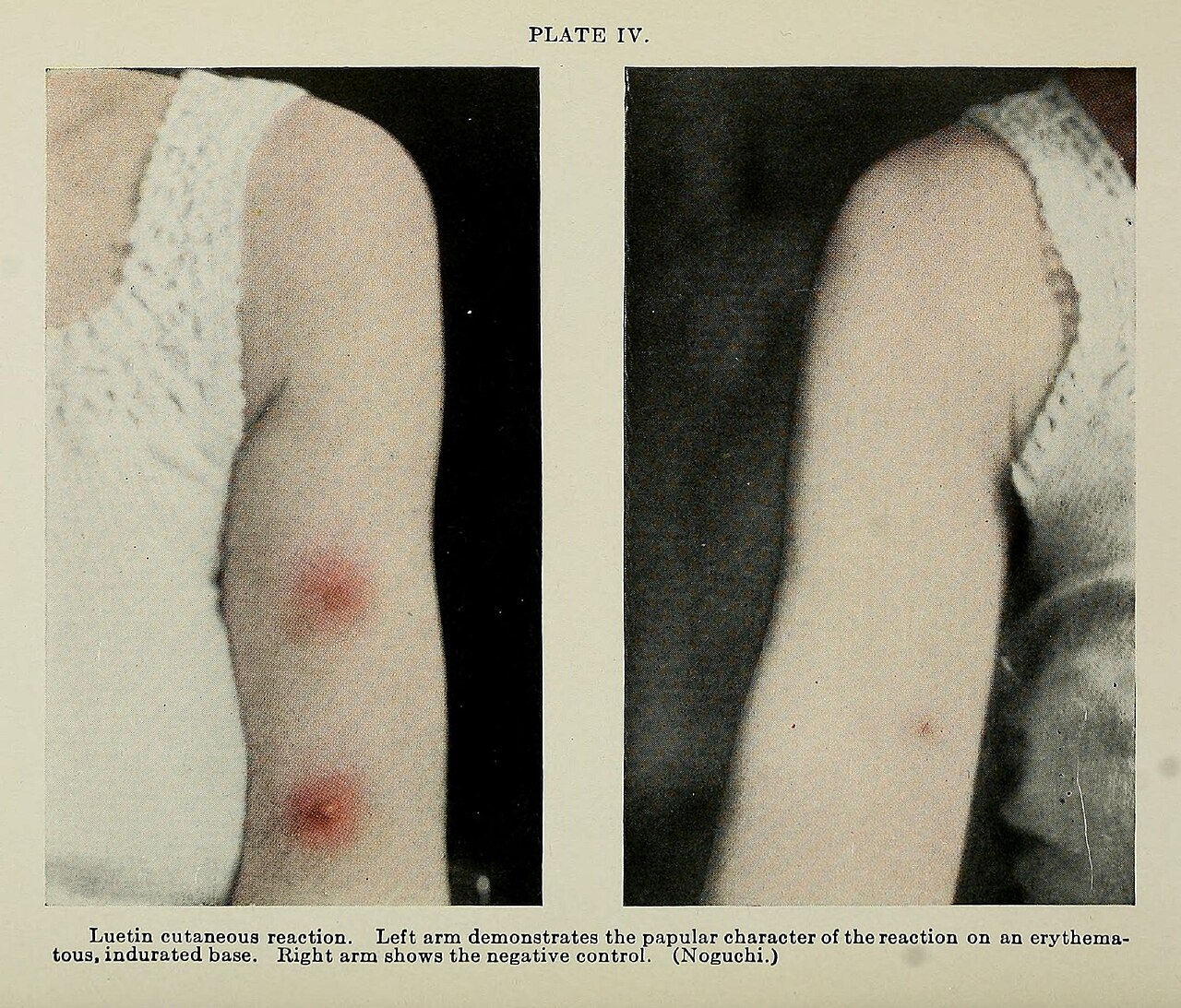
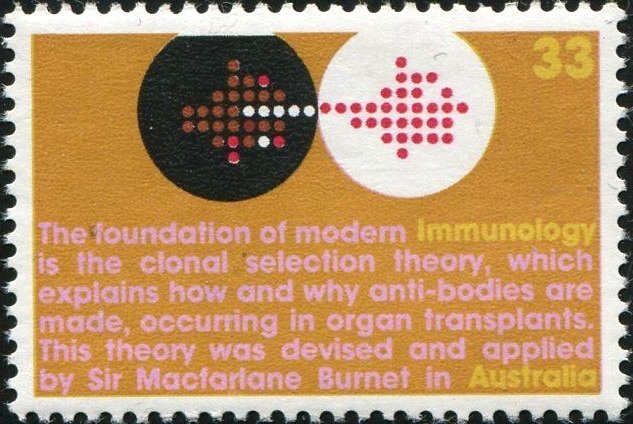
Immunology has applications in numerous disciplines of medicine, particularly organ transplantation, oncology, rheumatology, virology, bacteriology, parasitology, psychiatry, and dermatology. The specificity of the bond between antibody and antigen has made the antibody an excellent tool for detection in diagnostic techniques, though cross-reactivity can cause false positives. Immunotherapy uses immune system components or antigens to treat allergies, autoimmune disorders, and certain cancers. Clinical immunology studies diseases caused by immune system disorders, including immunodeficiency and autoimmunity, and also addresses transplant rejection. Theoretical immunology has seen a historical debate between cellular and humoral theories, with the clonal selection theory formulated by Macfarlane Burnet in the mid-1950s. Immune responses are now understood to contribute to many common disorders not traditionally viewed as immunologic, including metabolic, cardiovascular, cancer, and neurodegenerative conditions.
Did You Know?
- The term 'immunology' was coined by American pathologist William Henry Welch in the 1880s or early 1890s.
- Mechnikov first observed phagocytosis by pinning thorns into starfish larvae.
- Paul Ehrlich injected mice with sublethal doses of ricin or abrin to induce immunity.
Origins and the Expansion of Specialty Certification
The American Board of Medical Specialties traces its roots to 1933, when it was incorporated as a non-profit entity to coordinate physician-led specialty certification across the United States. From its earliest days, the organization has grown into the most widely recognized body of its kind in the country, encompassing twenty-four broad areas of specialty medicine and certifying specialists in well over one hundred and fifty distinct specialties and subspecialties. The founding cohort included boards in dermatology, obstetrics and gynecology, ophthalmology, and otolaryngology, with additional disciplines joining in rapid succession during the mid-1930s. Internal medicine and pathology received approval in 1936, while surgery followed in 1937. The roster continued to expand over the decades, with family medicine admitted in 1969, allergy and immunology in 1971, emergency medicine in 1979, and medical genetics and genomics as late as 1991. Today, more than eighty percent of practicing physicians in the United States hold board certification through one or more of these member boards, making ABMS the dominant force in specialty credentialing.
The Road to Initial Board Certification
Becoming board certified through an ABMS member board is a multi-year journey that begins long before a physician ever sits for an examination. The path starts with four years of premedical coursework at a college or university, followed by earning a medical degree—whether an MD, a DO, or another credential recognized by the relevant board—from a qualified medical school. After that, aspiring specialists must complete three to five years of full-time training in a residency program accredited by the Accreditation Council for Graduate Medical Education. Along the way, candidates need letters of attestation from their program director or faculty, an unrestricted medical license to practice in either the United States or Canada, and ultimately must pass a written examination, and in certain specialties an oral examination as well, both crafted and administered by the specific ABMS member board overseeing their field. This layered sequence ensures that the expertise a physician claims is backed by structured education, supervised clinical experience, and formal assessment.
Maintenance of Certification and the Six Competencies
Earning board certification is not the final milestone; it is the beginning of an ongoing commitment to professional growth. The ABMS Program for Maintenance of Certification provides a structured, continuous framework through which specialists demonstrate that their knowledge and skills remain current. At the heart of this program are six core competencies—practice-based learning and improvement, patient care and procedural skills, systems-based practice, medical knowledge, interpersonal and communication skills, and professionalism—that mirror the competencies used in the ACGME's Next Accreditation System. These competencies are assessed within a four-part structure: professional standing, lifelong learning and self-assessment, evaluation of knowledge and judgment, and measurable improvement in medical practice. While every member board applies the same six competencies and the same four-part architecture, the specific activities chosen to measure each competency can differ from one specialty to another. Regardless of the particular methods, all MOC programs are anchored in evidence-based guidelines, national clinical and quality standards, and the best practices recognized within each field.
Governance, Standards, and Public Transparency
The credibility of ABMS certification rests on a governance structure that has evolved over nearly a century. Beginning in 1934, specialty boards were evaluated for membership against criteria outlined in a document called the Essentials for Approval of Examining Boards in Medical Specialties, developed jointly by ABMS and the American Medical Association's Council on Medical Education. In 1948, this collaborative oversight was formalized through the creation of the Liaison Committee for Specialty Boards, a joint body of representatives from both organizations. To qualify, a specialty examining board must represent a clearly defined field of practice, offer a single standard of preparation and evaluation, provide distinct training, demonstrate that candidates acquire and maintain requisite knowledge, establish defined training standards with quality evaluation systems, and show broad professional support. Beyond certification, ABMS collaborates with other medical organizations to set standards for graduate medical education and residency accreditation. The organization also makes certification and MOC participation information publicly accessible. Notably, none of these processes have been confirmed through independent third-party review.
Gallery


Frequently Asked Questions
Who is Immunology?
Immunology is a branch of biology and medicine devoted to studying how immune systems operate across all living organisms. The very name was coined by American pathologist William Henry Welch sometime in the late 1880s or early 1890s.
What are Immunology's powers or role?
It charts, measures, and explains how the immune system behaves in both healthy and diseased states. This scope covers everything from autoimmune disorders and allergic hypersensitivities to immune deficiencies and transplant rejection.
What is Immunology's central concept?
The core idea underpinning the entire field is self versus non-self recognition—how an organism distinguishes its own cells from foreign invaders. This recognition mechanism drives every immune response the field studies.
What are Immunology's major divisions?
The field splits into several sub-disciplines: classical immunology, diagnostic immunology, immunotherapy, clinical immunology, and theoretical immunology. Together they span the full arc from basic laboratory research to bedside patient care.
More in Medical Specialties 1-15
Spotted an error? Know more?
This is a living reference — every entry is fact-audited, and reader corrections feed straight into our audit queue. Suggest an edit · See this site's audit record